
Bipolar Disorder Therapy in Detroit, Troy & Online Across Michigan
If you experience periods of high energy, racing thoughts, or impulsive decisions followed by episodes of deep depression, exhaustion, or hopelessness, you may be living with bipolar disorder.
Our therapists help adults and teens across Michigan better understand bipolar disorder, recognize patterns in their mood, and develop practical strategies for long-term stability. Bipolar Disorder Therapy is available in person in Detroit or Troy or online across Michigan.
We offer a free 15-minute consultation to help you find the therapist who best fits your needs.

What Bipolar Disorder Therapy at Sonder Counseling Helps With
Bipolar disorder is a mental health condition characterized by significant changes in mood, energy, activity levels, and the ability to carry out daily responsibilities, manifesting as manic and depressive episodes.
Therapy can help if you're struggling with:
Struggling to get through another depressive episode.
Trying to recognize the early signs that you are becoming manic or hypomanic.
How mood swings are affecting work, school, or relationships.
Impulsive decisions during high-energy moods that you regret later.
Trying to stick to healthy routines and get enough sleep.
Learning how to cope with a new bipolar diagnosis.
Struggling to stay consistent with treatment, medication, or self-care.
Trying to build a more stable, fulfilling life while living with bipolar disorder.
Who Bipolar Disorder Therapy Is For
Adults
Many adults living with bipolar disorder experience uncertainty about when their mood may shift or how those changes will affect their work, family, and relationships. Some have recently been diagnosed, while others have lived with symptoms for years.
Therapy helps adults better understand their mood patterns, strengthen coping strategies, reduce the impact of episodes, and build greater confidence in managing daily life.
Teens
Bipolar disorder can emerge during adolescence, often creating challenges with school, friendships, family relationships, and emotional regulation.
Therapy gives teens a supportive environment to better understand their emotions, develop healthy coping skills, and build resilience while working collaboratively with parents when appropriate.
Family Members & Loved Ones
When someone you love has bipolar disorder, it can be difficult to know how to provide support while also caring for yourself.
Therapy can help family members improve communication, better understand bipolar disorder, establish healthy boundaries, and strengthen relationships throughout the recovery process.

How We Treat Bipolar Disorder
Therapy for bipolar disorder focuses on helping you better understand your experiences while developing practical skills to support long-term stability. Treatment is individualized because every person's symptoms, strengths, and goals are different.
Your therapist may integrate evidence-based approaches including:
Cognitive Behavioral Therapy (CBT)- CBT helps identify thought patterns and behaviors that contribute to mood instability while developing healthier coping strategies and improving emotional awareness.
Acceptance and Commitment Therapy (ACT)- ACT encourages psychological flexibility and self-compassion while helping clients stay connected to their values during both depressive and elevated mood states.
Mindfulness-Based Approaches- Mindfulness can improve emotional awareness, reduce stress, and help clients recognize mood changes before they become overwhelming.
Somatic Therapy- Because emotional experiences affect both the mind and body, somatic approaches support nervous system regulation, increase body awareness, and help clients better recognize physical signs of changing mood.
Therapy may also focus on developing routines, improving sleep habits, strengthening relationships, managing stress, and addressing concerns such as anxiety, trauma, grief, or depression that often occur alongside bipolar disorder.
What Makes Our Approach Different
At Sonder Counseling, we understand that bipolar disorder is only one part of your story.
Our therapists take a compassionate, collaborative approach that focuses on your strengths as much as your challenges. Rather than viewing you through the lens of a diagnosis, we work with you to understand your unique experiences, identify patterns, strengthen resilience, and develop practical strategies that support long-term well-being.
Whether you've recently been diagnosed or have managed bipolar disorder for years, therapy provides a space where you can feel understood, supported, and empowered.
Customized Care from Our Bipolar Disorder Therapists
Our therapists have experience supporting individuals living with mood disorders and the challenges that often accompany them, including anxiety, depression, trauma, relationship concerns, and major life transitions.
Depending on your needs, your therapist will tailor treatment using evidence-based approaches that support emotional regulation, stability, and overall mental wellness.
Several of our therapists are equipped to help you manage your symptoms, here are a few of them!

Amber Doody, LMSW, CAADC – Addiction, Anxiety, BPD, & DBT Therapist
Amber provides trauma-informed therapy for adults experiencing anxiety, emotional regulation challenges, depression, trauma, bipolar disorder, and Borderline Personality Disorder. She helps clients understand emotional patterns, build regulation skills, and develop greater stability and self-compassion.

Ashley Bloom, LPC – Anxiety, Bipolar Disorder, & Depression Therapist
Ashley works with teens, and adults experiencing anxiety, bipolar disorder, depression, relationship issues, and emotional challenges. She creates a supportive environment where clients can explore difficult emotions, develop coping skills, and build confidence in navigating life's challenges.
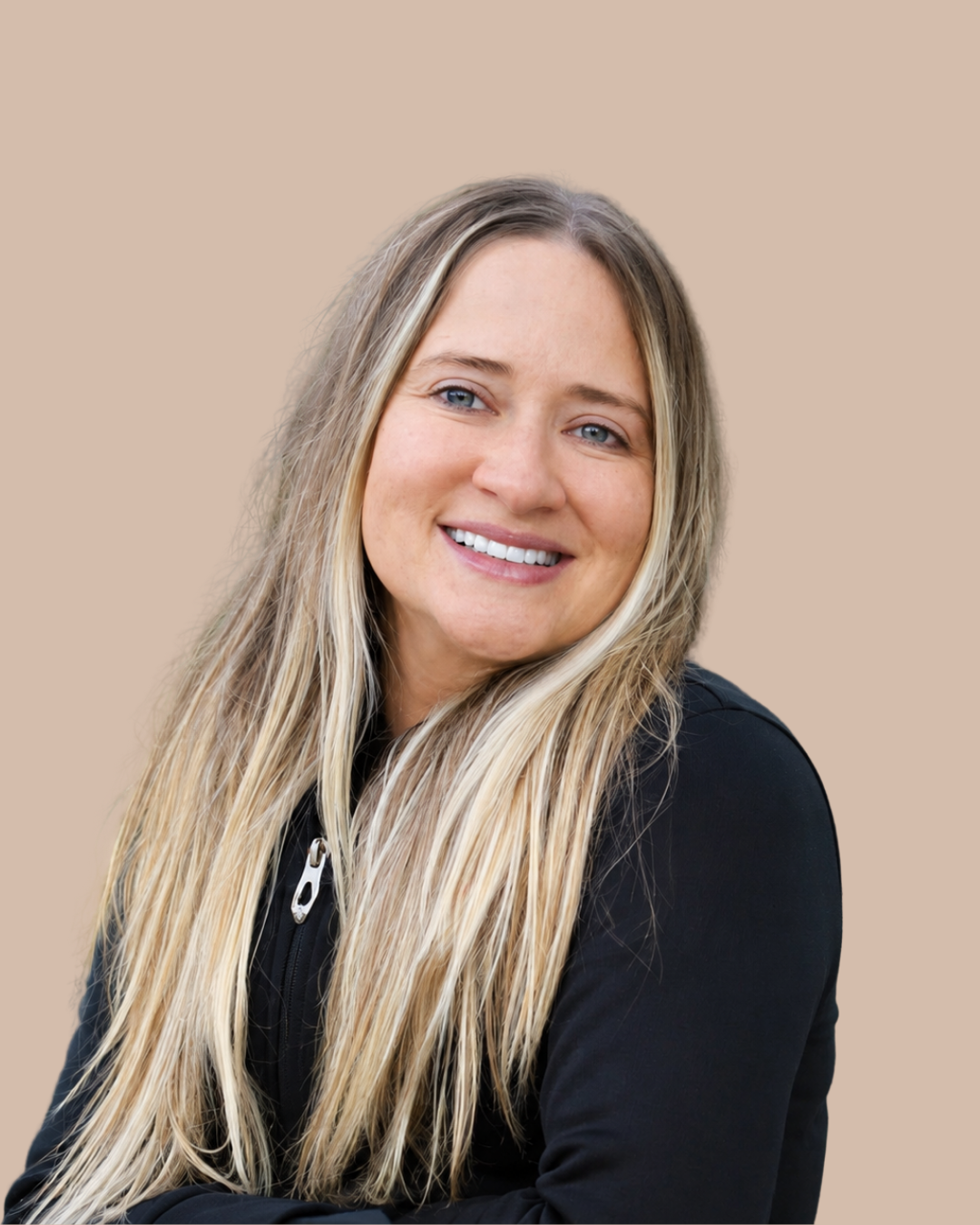
Fay Mannion, LMSW – Anxiety, BPD, and DBT Therapist
Fay works with adults experiencing anxiety, bipolar disorder, Borderline Personality Disorder, depression, trauma, and life changes. She helps clients develop self-awareness, strengthen emotional regulation skills, and create healthier ways of responding to challenges.
We offer:
Online Therapy Across Michigan
Secure telehealth appointments are available for residents throughout Michigan.
Cost & Insurance
We accept most major insurance plans, including Aetna, Anthem, Blue Cross Blue Shield, Blue Care Network, Blue Cross Complete, Priority Health, UnitedHealthcare, UMR, Meritain Health, Allied Benefit Systems, GEHA, and Medicare Part B. We also accept HSA and FSA cards.
Because coverage varies by plan and provider, we verify your specific benefits before your first session, so there are no surprises.
Stability Is Possible
Living with bipolar disorder doesn't mean giving up on your goals or your future.
With the right support, many people learn to recognize mood changes earlier, strengthen their relationships, develop healthy routines, and live fulfilling, meaningful lives.
At Sonder Counseling, we're here to help you better understand your experiences, build practical coping skills, and move toward greater stability, confidence, and self-compassion.
Frequently Asked Questions About Bipolar Disorder Therapy
-
Yes. Therapy is an important part of bipolar disorder treatment. It can help you recognize mood patterns, improve emotional regulation, strengthen coping skills, reduce stress, and support long-term stability. Many people benefit from combining therapy with medication.
-
Therapy can be helpful whether you're taking medication or exploring your treatment options. However, many people with bipolar disorder experience the best outcomes when therapy is combined with medication prescribed by a psychiatrist or other qualified medical provider.
-
Your therapist will learn about your history, symptoms, treatment experiences, current challenges, and goals. Together, you'll create a personalized treatment plan based on your needs.
-
Most major insurance plans include behavioral health benefits, including therapy coverage. We'll verify your coverage before your first appointment so there are no surprises.
-
Yes. Secure telehealth appointments are available for clients anywhere in Michigan.
-
Our therapists can assess your symptoms and discuss your concerns, but if you need a formal diagnosis or medication evaluation, we may recommend collaborating with or referring you to a psychiatrist or another qualified medical provider. Therapy can be beneficial whether you're newly diagnosed or have been living with bipolar disorder for years.