
Trauma Therapy in Troy, MI & Online Across Michigan
If you find yourself feeling constantly on edge, disconnected, overwhelmed by emotions, struggling with trust, or carrying memories that feel impossible to move past, therapy can help you heal your nervous system and move forward.
Our highly trained trauma therapists provide trauma-informed therapy for adults and teens in Detroit, Troy, and online throughout Michigan to help you process painful experiences, understand your nervous system, and develop tools that support healing, safety, and connection.
We offer a free 15-minute consultation to help you find the therapist who best fits your needs.

What Trauma Therapy at Sonder Counseling Helps With
Traumatic experiences that overwhelm your ability to cope can leave lasting effects on emotions, relationships, beliefs about yourself, and your sense of safety.
Trauma therapy can help if you are:
Struggling with the effects of childhood trauma and painful experiences from the past.
Healing from emotional neglect or years of feeling dismissed and misunderstood.
Recovering from trauma caused by a past or current relationship.
Coping with the impact of sexual, physical, or emotional abuse.
Trying to heal after experiencing domestic violence or an unsafe relationship.
Struggling after an accident, medical experience, or other traumatic event.
Grieving a loss that feels traumatic or overwhelming.
Trying to process difficult experiences from military service or being a first responder.
Living with the effects of complex trauma and long-term stress.
Experiencing symptoms of PTSD that are affecting daily life.
Dealing with anxiety, panic, or feeling constantly on edge.
Feeling weighed down by shame, guilt, or blaming yourself for what happened.
Struggling to trust people or feel safe, even when you want to.
Struggling with sleep and finding it hard to rest.
Carrying tension in your body and feeling like you can't fully relax.
Always on alert, waiting for something bad to happen.
Shut down emotionally or feeling disconnected from yourself.

Who Trauma Therapy Is For
Adults
Many adults seek trauma therapy after years of trying to manage the effects of difficult experiences on their own. You may understand what happened but still feel like your body or emotions are reacting as if the danger is still present.
Therapy can help adults process trauma, reduce distressing symptoms, improve relationships, strengthen boundaries, and reconnect with their sense of self.
Teens
Teenagers who have experienced trauma may struggle with emotional regulation, relationships, school, confidence, or feeling understood. Trauma may appear as anger, withdrawal, anxiety, changes in behavior, or difficulty trusting others.
Therapy provides teens with a supportive space to process experiences at their own pace while learning healthy coping strategies.
Neurodivergent Individuals
Trauma and neurodivergence can overlap in complex ways. Many autistic and ADHD individuals experience chronic stress from masking, misunderstanding, sensory overwhelm, bullying, or environments that did not support their needs.
Survivors of Relationship Trauma
Experiences such as betrayal, emotional abuse, unhealthy relationships, or attachment wounds can affect how you connect with others and view yourself. Therapy can help you rebuild trust, establish boundaries, and create healthier relationships moving forward.
How We Treat Trauma
Trauma therapy is not about forcing you to revisit painful memories before you are ready. Healing happens through safety, trust, and working at a pace that respects your individual needs.
Your therapist may integrate evidence-based trauma approaches including:
Eye Movement Desensitization and Reprocessing (EMDR)- EMDR is an evidence-based approach designed to help the brain process distressing memories and reduce the emotional intensity connected to traumatic experiences.
Somatic Therapy- Trauma often remains stored in the body's stress responses. Somatic approaches help clients reconnect with physical sensations, regulate the nervous system, and develop greater awareness of their body's signals.
Bioenergetic Analysis- Bioenergetic analysis explores the connection between emotional experiences, physical patterns, and the body’s expression of stress and trauma. This approach helps clients develop greater awareness of body sensations, release held tension, and reconnect with themselves through deeper mind-body awareness.
Prolonged Exposure Therapy (PET)- Prolonged exposure therapy helps clients gradually and safely process trauma-related memories, situations, and emotions that may have been avoided. By working through these experiences in a supportive therapeutic setting, clients can reduce fear responses and regain a greater sense of control.
Cognitive Processing Therapy (CPT)- Cognitive processing therapy helps clients identify and work through unhelpful beliefs related to trauma, guilt, shame, and self-blame. It supports developing a more balanced understanding of what happened and how it continues to affect thoughts and emotions.
Trauma-Focused Cognitive Behavioral Therapy (TF-CBT)- Trauma-focused cognitive behavioral therapy is designed to help children, adolescents, and families process traumatic experiences in a safe and supportive way. TF-CBT combines trauma education, coping skills, emotional regulation strategies, and cognitive techniques to help reduce trauma-related distress and build resilience.
Because trauma often overlaps with anxiety, depression, ADHD, autism, grief, addiction, and relationship concerns, therapy addresses the full picture of your experience.
What Makes Our Approach Different
At Sonder Counseling, we understand that trauma affects more than memories. It affects your nervous system, relationships, emotions, and sense of safety.
Our therapists do not believe you should be defined by what happened to you. We focus on helping you understand your responses, reconnect with your strengths, and build a life where your past no longer controls your present.
We provide compassionate, trauma-informed care that respects your pace and your story. Healing does not mean forgetting what happened. It means developing more freedom, choice, and connection moving forward.
We provide LGBTQ+ affirming care and support clients from diverse backgrounds and life experiences.
Meet Our Therapists Who Specialize in Trauma Treatment
Sonder Counseling's trauma therapists provide compassionate, trauma-informed care for individuals navigating PTSD symptoms, childhood trauma, relationship trauma, anxiety, depression, emotional regulation challenges, and the lasting effects of difficult life experiences.
Our therapists understand that trauma affects everyone differently. They create a supportive, collaborative environment where clients can process their experiences, develop healthier coping strategies, and reconnect with a greater sense of safety and self-trust.

Amber Doody, LMSW, CAADC – Addiction, Anxiety, BPD, & Trauma Therapist
Amber specializes in trauma-informed care for clients experiencing emotional regulation challenges, relationship difficulties, anxiety, depression, and the effects of past experiences. She helps clients better understand their emotions, develop practical coping skills, and build healthier patterns without shame or judgment.
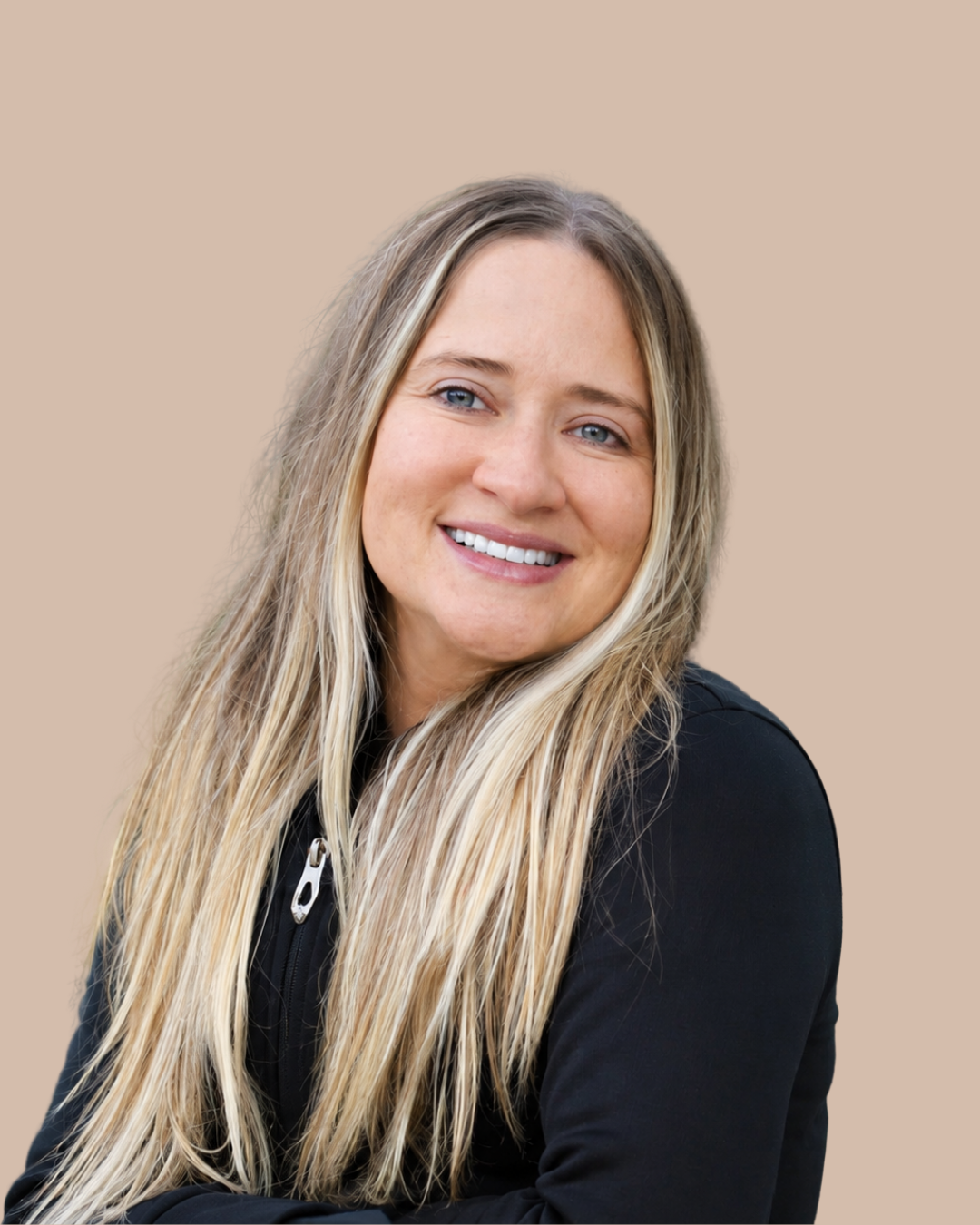
Fay Mannion, LMSW – Anxiety, BPD, and Trauma Therapist
Fay provides compassionate support for individuals navigating trauma, relationship challenges, emotional overwhelm, and major life changes. Her approach focuses on helping clients build self-awareness, strengthen resilience, and develop tools for creating more fulfilling relationships with themselves and others.

Hadley Kleinschmidt, LMSW – Anxiety, Depression, & Trauma Therapist
Hadley provides trauma-informed therapy for individuals working through difficult experiences, emotional distress, anxiety, depression, and life transitions. Her approach emphasizes creating a safe therapeutic relationship where clients feel heard, supported, and empowered to explore their experiences at their own pace.
Together, Sonder Counseling's trauma therapists offer individualized care tailored to your experiences, goals, and healing process.
We offer:
In-Person Therapy
2265 Livernois Rd., Suite 260A
Troy, MI 48083
1111 Bellevue St.
Detroit, MI 48207
Convenient for clients in Detroit, Troy, Royal Oak, Rochester Hills, Birmingham, Sterling Heights, Clawson, Madison Heights, Bloomfield Hills, and throughout Metro Detroit.
Online Therapy Across Michigan
Secure telehealth appointments are available throughout Michigan for clients who prefer online support.
Cost & Insurance
We accept most major insurance plans, including Aetna, Anthem, Blue Cross Blue Shield, Blue Care Network, Blue Cross Complete, Priority Health, UnitedHealthcare, UMR, Meritain Health, Allied Benefit Systems, GEHA, and Medicare Part B. We also accept HSA and FSA cards.
Because coverage varies by plan and provider, we verify your specific benefits before your first session, so there are no surprises.
Healing After Trauma Is Possible
The effects of trauma can feel overwhelming, but you do not have to continue carrying them alone.
Therapy provides a safe space to understand what happened, reconnect with your body, strengthen your coping skills, and create a future that is not defined by your past.
At Sonder Counseling, we help you move from surviving to healing, with compassion, support, and respect for your unique story.
-
Trauma therapy helps individuals process the effects of traumatic experiences, understand their responses, develop coping skills, and rebuild a sense of safety and connection.
-
No. Trauma therapy does not require you to share details before you are ready. Your therapist will work with you to create safety and determine an approach that feels appropriate for your healing process.
-
Yes. Trauma therapy can help reduce PTSD symptoms such as intrusive memories, avoidance, anxiety, hypervigilance, emotional distress, and difficulty feeling safe.
-
Most major insurance plans include mental health benefits. We verify your coverage before your first appointment so you know what to expect.
-
Yes. Secure telehealth appointments are available for clients anywhere in Michigan.
-
Yes. Trauma can influence trust, communication, emotional regulation, boundaries, and attachment patterns. Therapy can help you understand these impacts and build healthier connections.
-
If past experiences continue affecting your emotions, relationships, sense of safety, or ability to enjoy daily life, trauma therapy may provide meaningful support.