You deserve therapy that actually helps.

You don’t need to be “fixed,” and you don’t need a perfect plan.

You deserve support that meets you where you are and helps you move forward with intention. Therapy is a place to pause, reflect, and begin shaping the next chapter of your life.

We would be thrilled to help you start living the life you were always meant to live. The story of your life is meant to be enjoyed. 

HERE’S A GLANCE AT OUR SPECIALTIES

All of your previous chapters have led you to this point, we want to help you get the plot back on track.
Click on a specialty below to learn more about how we can help.


Addiction


Anxiety


Borderline Personality Disorder


Trauma


Depression


Bipolar Disorder

Addiction


We understand that addiction isn’t just about substances or behaviors,  it’s about pain, coping, and the ways we try to survive when life feels overwhelming. Whether you’re struggling with alcohol, drugs, gambling, or another behavior that’s taken control, you don’t have to face it alone or figure it out by yourself. Recovery isn’t about shame or punishment, it’s about healing, understanding, and reclaiming your life.


Why Addiction Can Feel So Hard to Break

Addiction often begins as a way to numb emotional pain, quiet anxiety, or fill a deep sense of emptiness. For a while, it may feel like the only thing that helps you get through the day. But over time, it starts to take more than it gives, damaging your relationships, your health, and your sense of self.

You may feel stuck in a painful cycle: promising yourself you’ll stop, feeling guilty when you can’t, and wondering what’s wrong with you. The truth is, nothing is “wrong” with you. You’re trying to cope with something that has simply become too heavy to carry alone.

At Sonder Counseling, we meet you where you are, without judgment, without labels, and with genuine compassion.


How Therapy Helps

Addiction counseling is not just about stopping a behavior, it’s about understanding what drives it and learning new ways to cope. In therapy, we’ll work together to uncover the emotions, experiences, and stressors that may be fueling your use, while helping you build skills to handle life differently.

Our therapists integrate evidence-based approaches like:

  • Cognitive Behavioral Therapy (CBT): Helps you identify the thoughts and triggers that keep the cycle going and replace them with healthier patterns.
     

  • Dialectical Behavior Therapy (DBT): Teaches skills to manage urges, regulate emotions, and tolerate distress without turning to substances or harmful behaviors.
     

  • Motivational Interviewing (MI): Supports you in finding your own reasons for change, at your own pace, without pressure or judgment.
     

We also recognize that addiction often connects to deeper issues (trauma, anxiety, shame, or loneliness) and we address those together, so recovery feels authentic and lasting.


What Healing Can Look Like

Recovery doesn’t happen overnight, and it doesn’t look the same for everyone. For some, it’s about sobriety. For others, it’s about reducing harm, building boundaries, or simply beginning to care about themselves again. What matters most is that you take the first step toward healing, and that step doesn’t have to be perfect.

Therapy at Sonder Counseling offers a safe, supportive space to explore what recovery means for you. Together, we’ll help you rebuild trust in yourself, strengthen your relationships, and create a life that feels meaningful and worth protecting.

Therapists Who Specialize in This


Amber


Greg

Anxiety


We understand how exhausting it can be to live with anxiety. It can feel like your mind never stops, always running through “what ifs,” replaying conversations, or preparing for the worst. Even when nothing is wrong, your body might still feel tense, your heart races, or your stomach twists with worry.

Anxiety isn’t weakness, it’s your mind trying to protect you from danger that isn’t really there. And while that protection once served a purpose, now it may be keeping you from feeling calm, present, and free. Therapy can help you quiet the noise, find relief, and start feeling like yourself again.


When Anxiety Takes Over

Anxiety can show up in so many ways. Maybe you:

  • Overthink every decision, afraid of making a mistake. 

  • Feel restless, on edge, or unable to relax. 

  • Experience racing thoughts, muscle tension, or trouble sleeping. 

  • Worry about things you can’t control and then worry about worrying.

  • Feel paralyzed by fear of failure, rejection, or the unknown.
     

It can make everyday life feel heavy, even things you used to enjoy. You may wonder why you can’t “just calm down,” but anxiety isn’t something you can simply think your way out of. It’s not your fault and you don’t have to manage it alone.


How Therapy Helps

Therapy for anxiety focuses on helping you understand what’s driving your worry and teaching you tools to manage it effectively. At Sonder Counseling, our therapists use evidence-based approaches like:

  • Cognitive Behavioral Therapy (CBT): Learn how to challenge unhelpful thought patterns, reduce overthinking, and face fears with confidence.

  • Mindfulness and Somatic Techniques: Build awareness of your body’s stress responses and find ways to ground yourself in the present moment.

  • Dialectical Behavior Therapy (DBT): Develop emotion regulation and distress tolerance skills to help you stay steady when anxiety hits hard.
     

Together, we’ll work to calm your body, quiet your mind, and help you regain a sense of control over your life.


Finding Peace Again

Anxiety doesn’t have to run your life. With the right support, you can learn to understand your mind rather than fight it — and find peace in moments that once felt impossible. Therapy can help you build confidence, improve relationships, and reconnect with the things that matter most to you.

You deserve to feel calm, capable, and grounded. And that starts with taking the first step toward help.

Therapists Who Specialize in This


Amber


Ashley


Fay


Greg


Hadley


Jessica


Susanne

Bipolar Disorder


You may feel like you’re constantly trying to manage yourself — bracing for the next low or wondering when the energy will tip into something unmanageable. On the outside, things might look fine, but inside it can feel chaotic or isolating. Bipolar disorder can make it hard to trust your emotions, your decisions, or even yourself. But with the right support, stability is possible, and life doesn’t have to feel like a constant emotional roller coaster.


What Bipolar Disorder Feels Like

Bipolar disorder looks different for everyone, but you may notice:

  • Periods of feeling very low, hopeless, or emotionally numb.

  • Times of intense energy, racing thoughts, or feeling “on top of the world.”

  • Difficulty sleeping — either sleeping too much or barely at all.

  • Impulsive behaviors, increased spending, or risky decision-making.

  • Feeling irritable, restless, or easily overwhelmed.

  • Shame or confusion about things said or done during mood episodes.

  • Fear of when the next shift will happen.

Living with bipolar disorder can be exhausting — especially when others don’t understand what you’re going through. Your experiences are real, and they’re not a personal failure. You deserve support that meets you with understanding and compassion.


How Therapy Helps

Therapy for bipolar disorder focuses on helping you understand your unique mood patterns, build stability, and develop tools to manage emotional shifts with more confidence. At Sonder Counseling, we offer a supportive space where you can explore your experiences without judgment and learn ways to feel more grounded and in control.

Our therapists use evidence-based approaches such as:

Cognitive Behavioral Therapy (CBT): Identify thought patterns that contribute to mood episodes and develop healthier ways of responding.

Dialectical Behavior Therapy (DBT): Build skills for emotional regulation, distress tolerance, and navigating intense feelings.

Somatic and Mindfulness Techniques: Learn to recognize early signs of mood changes, regulate your nervous system, and reconnect with your body.

Psychoeducation and Routine Building: Understand bipolar disorder more deeply and create daily rhythms that support mood stability.

Together, we’ll focus on helping you feel more balanced, self-aware, and empowered — one step at a time.


You Deserve Stability and Support

Bipolar disorder can make life feel unpredictable, but it doesn’t define you or your future. With the right care, it’s possible to build a life that feels more steady, meaningful, and aligned with who you are. You don’t need to have everything figured out to begin therapy — you just need a place to start.


The team at Sonder Counseling is here to walk alongside you with compassion, understanding, and care as you work toward greater balance and well-being.

Therapists Who Specialize in This


Amber


Ashley


Fay


Greg


Hadley


Susanne

Borderline Personality Disorder


We understand that living with Borderline Personality Disorder (or BPD traits) doesn’t mean you’re “too much.” It means you feel deeply, love intensely, and often carry emotional pain alone. You may find yourself stuck in patterns you don’t want — reacting quickly, feeling misunderstood, or struggling to feel secure in relationships. And even the smallest shift in someone’s tone or behavior can leave you feeling anxious, rejected, or overwhelmed.

This isn’t your fault. These are symptoms of a nervous system that’s learned to protect itself in powerful ways. And with the right tools and support, you can feel more grounded, connected, and in control of your life.


What BPD Can Feel Like

People with BPD often describe experiences like:

  • Intense emotions that feel impossible to regulate.

  • Fear of being abandoned or replaced, even over small things.

  • Turbulent or confusing relationships.

  • Moments of impulsivity you later regret.

  • A shifting sense of self, or feeling empty and unsure of who you are.

  • Feeling misunderstood, judged, or alone in your struggle.

  • Deep pain when you feel disconnected from someone important to you.
     

If this sounds familiar, please know there is nothing “wrong” with you, you’ve simply never been taught the skills you need to soothe, regulate, and feel safe inside yourself.


How DBT Helps You Build a Life That Feels More Stable

Dialectical Behavior Therapy (DBT) is one of the most effective, research-supported treatments for BPD. At Sonder Counseling, we offer DBT-informed therapy to help you learn skills that bring real relief and long-term change.

DBT teaches you how to:

  • Regulate overwhelming emotions so you’re not pulled into intense highs and lows.

  • Reduce impulsive behaviors by slowing down your reactions.

  • Build healthier, more secure relationships with clearer communication.

  • Cope with distress without spiraling or shutting down.

  • Strengthen your sense of self so you feel more grounded and less confused about who you are.
     

Our therapists walk with you at your pace, supporting you, validating your experiences, and helping you develop a life that feels more balanced and meaningful.


You Are Not “Too Much.” You Are Someone Who Deserves Care.

Many people with BPD carry shame, believing they’re difficult, broken, or unworthy of love. The truth is:
You are someone who feels deeply because you’ve survived a lot.
You are someone who’s trying, even on the days it doesn’t feel like it.
And with support, things can change.

At Sonder Counseling, we see your strength, not your diagnosis. And we’re here to help you build a life you feel proud of.

Therapists Who Specialize in This


Amber


Fay

Depression


We understand that depression isn’t just sadness, it’s a heaviness that can make everything feel harder. Getting out of bed, answering a text, or even doing things you used to enjoy can start to feel impossible. You might look fine on the outside while quietly struggling to get through the day.

Depression can make you feel disconnected, from others, from hope, and even from yourself. But you don’t have to stay stuck there. With the right support, it’s possible to feel lightness again, to reconnect with meaning, and to start believing that healing is possible.


What Depression Can Feel Like

Depression shows up differently for everyone, but you may notice:

  • Feeling tired or drained, even after sleeping.

  • Losing interest in things that once brought joy.

  • Feeling numb, hopeless, or like you’re “going through the motions.”

  • Being hard on yourself or feeling like you’re a burden.

  • Difficulty focusing, eating, or sleeping.

  • Wondering if things will ever get better.
     

It can be painful to admit how much you’re hurting — especially when others don’t see it. But your pain is real, and it matters. You don’t have to go through it alone.


How Therapy Helps

Therapy for depression is about more than just talking — it’s about helping you understand where your pain comes from and finding new ways to move through it. At Sonder Counseling, we offer a safe space to slow down, explore what’s happening underneath the sadness, and rebuild connection and hope at your pace.

Our therapists use evidence-based approaches such as:

  • Cognitive Behavioral Therapy (CBT): Identify and shift the negative thought patterns that keep you feeling stuck.

  • Dialectical Behavior Therapy (DBT): Learn skills to manage emotional pain, reduce self-criticism, and create small steps toward change.

  • Somatic and Mindfulness Techniques: Reconnect with your body, regulate your nervous system, and find calm in the present moment.
     

Together, we’ll focus on helping you rediscover what brings meaning and joy, even in small ways — because healing often starts with tiny moments of light.


You Deserve to Feel Better

Depression can make you believe that things will never change — but that’s the depression talking. Healing takes time, but it’s possible. You don’t have to have energy or motivation to start therapy — you just have to show up, and we’ll take it from there together.

Our team at Sonder Counseling is here to support you with compassion and care as you begin to find your way forward.

Therapists Who Specialize in This


Amber


Ashley


Fay


Greg


Hadley


Jessica


Susanne

Trauma


We know that trauma changes the way you see yourself, others, and the world. You may look like you’re holding it together on the outside, but inside, you might feel constantly on edge, disconnected, or weighed down by memories you can’t seem to escape.

Trauma isn’t just something that happened in the past, it can live in your body and mind long after the event is over. You might blame yourself for not “getting over it,” but what you’re experiencing is a natural response to something deeply overwhelming. Healing isn’t about forgetting what happened — it’s about helping your mind and body feel safe again.


The Lasting Impact of Trauma

Trauma can show up in so many ways:

  • Flashbacks, nightmares, or intrusive memories.

  • Feeling numb, disconnected, or detached from your emotions.

  • Avoiding certain people, places, or situations.

  • Feeling constantly on guard, tense, or easily startled.

  • Trouble sleeping, concentrating, or relaxing.

  • Guilt, shame, or a sense that you’re “broken.”
     

You might not even think of what you went through as “trauma,” but if something inside you still feels unsettled, afraid, or unsafe — your pain deserves to be acknowledged and cared for.


How Therapy Helps

We create a space where you can begin to feel safe — not rushed, not judged, and not alone. Healing from trauma takes patience and trust, and we move at your pace. Our therapists are trauma-informed and use approaches designed to gently reconnect your mind and body.

We draw from evidence-based therapies such as:

  • Somatic Therapy: Focuses on how trauma lives in the body, helping you release stored tension and reconnect with physical safety.

  • Dialectical Behavior Therapy (DBT): Teaches grounding and emotion regulation skills to help you manage triggers and build resilience.

  • Prolonged Exposure Therapy (PET): Empowers you to stop fearing your memories and re-engage with your life. 

  • Cognitive Processing Therapy (CPT):  Challenges your unhelpful thoughts about yourself and your trauma, allowing your perspective to shift.

  • Trauma-Focused Cognitive Behavioral Therapy (TF-CBT): Helps you process painful memories and reframe the beliefs that keep you stuck.

Our goal isn’t to make you relive the past — it’s to help you feel safe and in control of your life again.


Reconnecting with Yourself

Healing from trauma is not about “getting back to who you were before.” It’s about growing into someone who feels grounded, whole, and empowered. Through therapy, you can begin to rebuild trust in others, in the world, and most importantly, in yourself.

You deserve to feel safe in your own body and hopeful about your future. With support, those things are possible.

Therapists Who Specialize in This


Amber


Ashley


Fay


Greg


Hadley


Susanne

Click to explore a therapist you are interested in getting to know more!

Our therapists each specialize in an extensive list of treatments and specialties, so we cannot possibly list them all here. The ones above are a few of the services they can provide, but please click their photo to read more about them and how they can support you.


Jessica

Relationship Issues, Anxiety, Depression


Amber

Trauma, Borderline Personality Disorder, Addiction


Ashley

Anxiety, Depression, Trauma


Fay

Borderline Personality Disorder, Trauma, Anxiety


Greg

Addiction, Anxiety, Depression


Hadley

Trauma, Anxiety, Depression


Susanne

Anxiety, Depression, Trauma

Starting therapy can feel very vulnerable and intimidating.

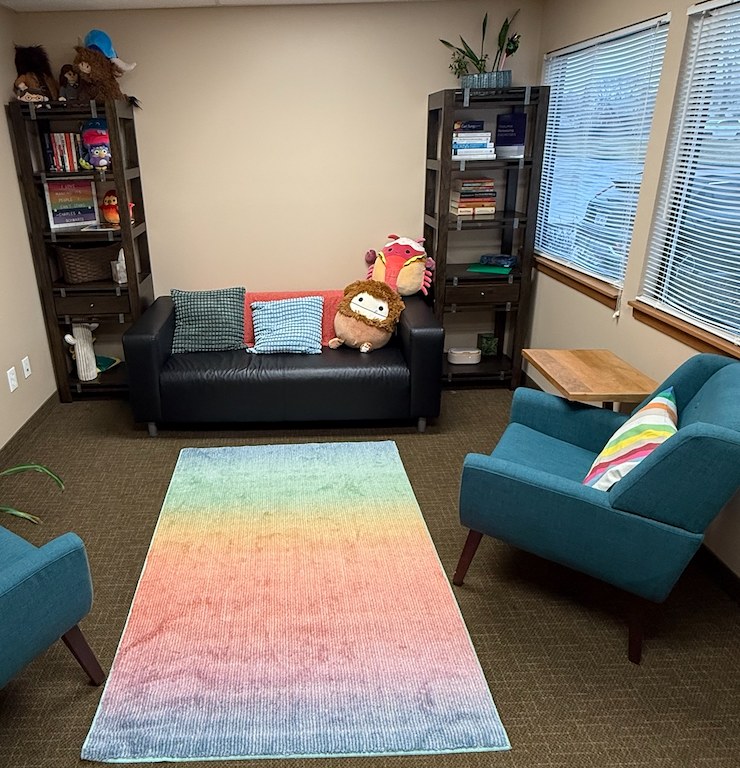
We create a non-judgemental and inclusive space.

We are honored to serve individuals of all races, genders, sexualities, abilities, and cultures. We are committed to cultural humility and understand that we are always learning.