
Understanding Anxiety- A Journey Towards Healing
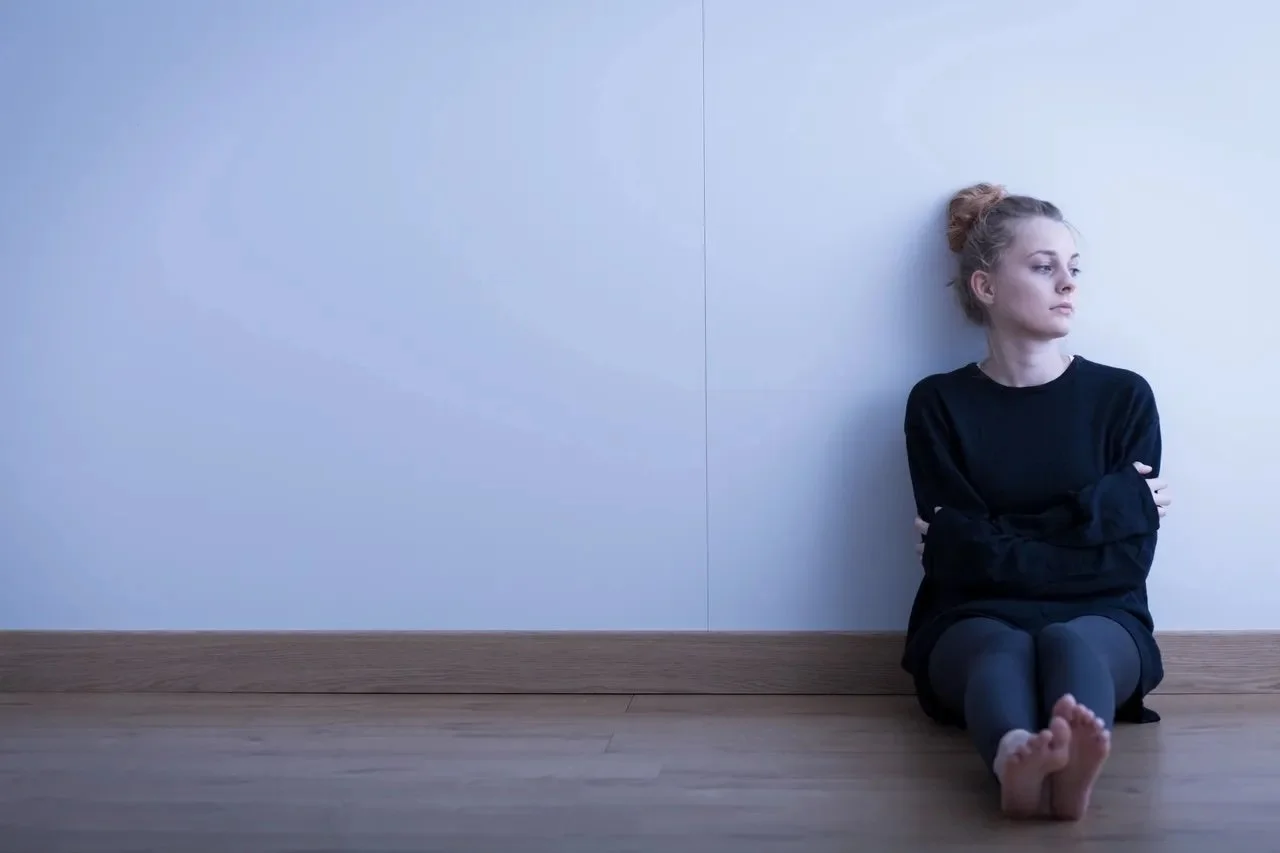
In the fast-paced world we live in, where stressors seem to lurk around every corner, it's no wonder that anxiety has become a prevalent issue for many. Whether it's the pressure to succeed in our careers, maintain relationships, or simply keep up with the demands of daily life, anxiety can manifest in various forms and impact individuals in different ways. In this blog post, we'll delve into the depths of anxiety, exploring its causes, symptoms, and strategies for coping and healing.
Anxiety is more than just feeling stressed or worried; it's a persistent and overwhelming sense of apprehension or fear about what's to come. While it's normal to experience occasional anxiety in response to challenging situations, for some, it can become debilitating, interfering with their ability to function on a daily basis. From generalized anxiety disorder (GAD) to panic disorder, social anxiety, and phobias, there's a spectrum of anxiety disorders that can affect people of all ages and backgrounds.
Understanding the root causes of anxiety is crucial in addressing and managing it effectively. While genetics and brain chemistry play a role, environmental factors such as trauma, stress, and upbringing can also contribute to the development of anxiety disorders. Additionally, certain personality traits, such as perfectionism or a tendency towards negative thinking, may increase susceptibility to anxiety.
Recognizing the symptoms of anxiety is the first step towards seeking help and support. Physical symptoms can include racing heart, sweating, trembling, and gastrointestinal issues, while psychological symptoms may manifest as excessive worry, irritability, difficulty concentrating, and trouble sleeping. It's essential to pay attention to these signs and not dismiss them as mere stress or temporary discomfort.
Coping with anxiety is a journey that looks different for everyone. There's no one-size-fits-all solution, but there are numerous strategies and techniques that individuals can explore to manage their symptoms and improve their quality of life. These may include:
1. Mindfulness and Meditation: Practicing mindfulness and meditation can help individuals ground themselves in the present moment, reducing the grip of anxious thoughts and promoting relaxation.
2. Regular Exercise: Engaging in regular physical activity not only benefits physical health but also releases endorphins, which are natural mood lifters and stress reducers.
3. Healthy Lifestyle Habits: Prioritizing adequate sleep, maintaining a balanced diet, and limiting caffeine and alcohol intake can contribute to overall well-being and reduce anxiety levels.
4. Therapy and Counseling: Seeking professional help from a therapist or counselor can provide valuable support and guidance in learning coping skills, challenging negative thought patterns, and processing underlying emotions.
5. Medication: In some cases, medication may be prescribed to manage severe or persistent anxiety symptoms. It's essential to work closely with a healthcare provider to find the right medication and dosage that works best for each individual.
6. Support Network: Building a strong support network of friends, family, or support groups can offer a sense of connection, understanding, and validation, which is crucial in navigating the challenges of anxiety.
7. Self-Care Practices: Engaging in activities that bring joy and relaxation, such as hobbies, creative outlets, or spending time in nature, can help individuals recharge and replenish their energy reserves.
It's important to remember that healing from anxiety is not a linear process and may involve setbacks along the way. Patience, self-compassion, and persistence are key virtues to cultivate on this journey. By embracing a holistic approach that addresses the mind, body, and spirit, individuals can take proactive steps towards managing their anxiety and reclaiming their sense of peace and empowerment.
In conclusion, anxiety is a complex and multifaceted condition that affects millions of people worldwide. However, it doesn't have to define or control one's life. With awareness, understanding, and a willingness to seek support and explore effective coping strategies, individuals can navigate the maze of anxiety and emerge stronger, resilient, and more connected to their inner selves. Remember, you are not alone, and there is hope for healing and recovery.
If you would like help managing your anxiety, our team is here to help — reach out to schedule a session.